
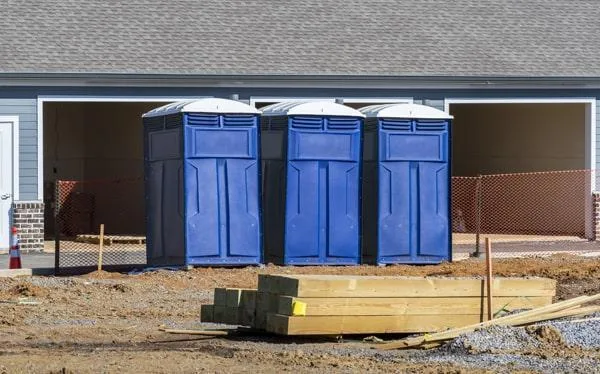
Toilets, washing and care for the working crew
A standard portable cabin gives workers a private toilet with waste held for the provider’s servicing. Washing is a separate function: include a station with water, soap, drying and used-water care if the crew cannot use a suitable existing sink. Explain any accessible-entry or control-use requirements so the actual proposed equipment can be assessed for the people using it.
Describe the job, the crews present together, shift hours and any fixed bathrooms they are permitted to use. These details help shape the quantity and care discussion; the project label alone does not identify the equipment needed. Include the first occupied workday, expected finish and any uncertain dates in the request.
The quote should identify delivery, the equipment and permitted position, cleaning and waste visits, paper and washing responsibilities, and collection. Agree a receiving contact and keep the provider’s handling approach distinct from material storage. The access checks below remain useful once the equipment is installed and the work area changes.
Describe exactly what has become blocked
The cabin may still stand where agreed while a material-delivery area spreads across its service route. Identify the lost function first. People reaching the toilet, doors opening, washing and provider servicing are connected parts of the setup, but a problem in one does not automatically call for more cabins.
The site contact should distinguish a blocked user approach from an inaccessible service lane or a washing queue in the work area. Start from the accepted equipment and occupied users so the correction addresses the actual arrangement.
A second unit elsewhere does not restore cleaning or waste service to an inaccessible installed unit. Keep people away from unsafe equipment and report damage or instability to the provider.
Coordinate a correction with the people controlling the space
Have the responsible trade and provider review how the agreed route can be restored safely. If the project needs a different position, seek controller permission and provider handling assessment for its ground, door space and approaches.
Do not drag cabins or perform tank work. Give arriving trades the accepted storage boundary and provider approach so a cleared lane does not become an informal stockpile again.
Check the next visit and the final recovery
Confirm what the obstruction means for planned cleaning, waste service, paper and washing replenishment. The contact requesting the correction should also confirm whether the care or transport scope needs revision.
Protect the handling route until collection, even when the crew has finished using the facilities. Returning doors to usable condition solves only part of the problem if the equipment cannot later be recovered.
Questions before you book
What should I include in a construction toilet rental enquiry?
Give the site, users and shifts, usable fixed bathrooms, washing and accessible requirements, and rental dates. Request the offered equipment, delivery, care and collection together.
Is another toilet the answer to a blocked service lane?
First resolve the installed arrangement with the provider. Adding equipment does not remove the servicing problem.
Who should request a different position?
The authorised site contact should coordinate controller permission and provider review before a move.