
Check the existing sink before adding a station
Soap and towels are useful only when people also have a suitable place and water to wash. Before adding supplies to a request, establish the actual washing function and how it will stay usable. Sanitizer provides a different function and should not silently replace that discussion.
A building sink may meet the need if the controller permits the intended group to use it for every occupied period. Confirm the route and controls work for those people, including workers who arrive before guests.
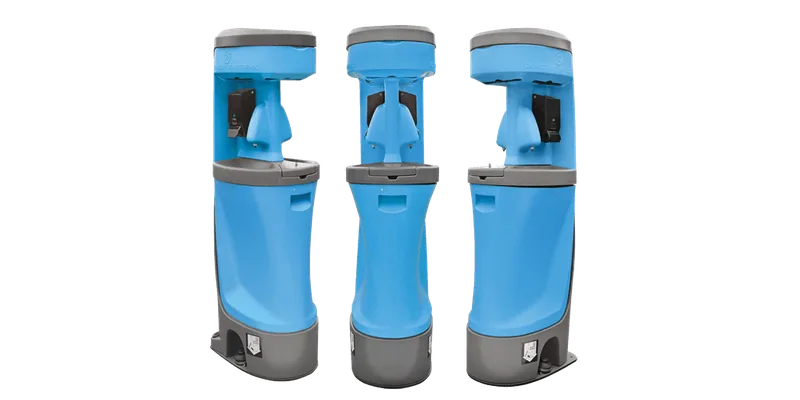
If that access is missing, discuss a portable station with the provider. Specify the people, duration and pattern of use, including food-related activity, so the actual model and support can be reviewed.
Resolve fresh water and used water together
Ask who provides and replenishes water and who handles used water for the offered equipment. A nearby tap is not proof of permission, compatibility or an approved disposal arrangement.
Agree a position where people can wash without blocking toilet doors or creating a queue across an important route. The provider also needs a workable handling and care approach. Follow its instructions rather than improvise plumbing.
Assign the tasks that keep the function available
Identify responsibility for cleaning, soap, drying materials, water and used-water care, and who reports an empty or unusable station. If an existing sink is the chosen answer, confirm its support just as clearly.
Include the station or confirmed existing arrangement in the overall restroom brief. Delivery, service visits and collection should match the occupied use, with changes to demand reviewed before supplies or support are assumed sufficient.
Questions before you book
Are consumables enough if there is no sink?
No. Establish a usable washing point, water and used-water arrangement, then its supplies.
Can any station use a nearby connection?
Confirm model requirements and permission with the provider and controller.